

Claim Denied
Denied SSDI? Here’s Your Complete 2026 Appeals Roadmap
Law Offices of Tony S. Adderley, Los Angeles Social Security Disability Attorney
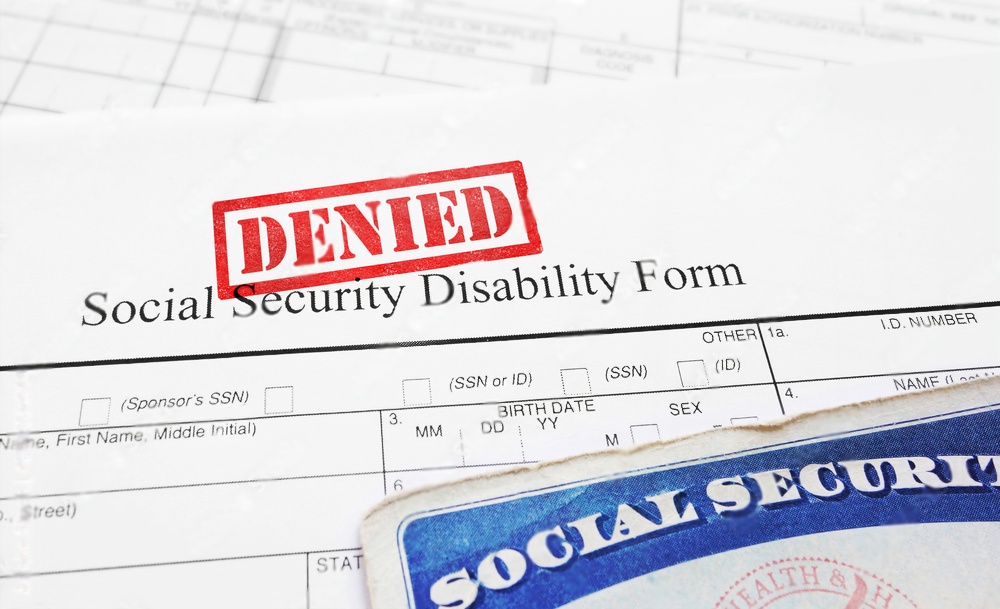
Getting a denial letter from Social Security hits hard, like you studied for the test, showed up early… and still flunked. But here’s the good news: most people are denied the first time, and MANY win their benefits on appeal. A denial is not the end of the road; it’s just the beginning of the real process.
This guide walks you through every step of the SSDI appeals process, explains why claims get denied, breaks down the most effective evidence strategies, and shows how our team helps turn a denial into an approval.
Quick Action Steps After a Denial
Before you stress-scroll Google at 2 AM, start here:
- Read your denial letter carefully. Look for the “Explanation of Determination.” That’s your roadmap.
- Mark your deadline. You usually have 60 days to appeal (SSA assumes you received the letter 5 days after the date on it).
- Don’t start over. Always file an appeal, never a new application.
- Call our office for a free case review. We’ll map out what went wrong and what evidence will fix it.
Your SSDI Appeals Process: Step by Step
1) Reconsideration
What it is: A complete re-review of your claim by a different Disability Determination Services examiner.
Deadline: 60 days.
What you file:
- SSA-561 (Request for Reconsideration)
- SSA-3441 (Disability Report - Appeal)
- SSA-827 (Medical Records Release)
How cases get approved here:
- New medical evidence
- Updated treatment records
- Clarified onset dates
- Proof your condition has worsened
- Documentation of failed work attempts
If you don’t add new evidence, this stage is usually another “no.” The key is strengthening the record.
2) Hearing Before an Administrative Law Judge (ALJ)
This is the big one, the stage where most people finally win.
What to expect:
A judge questions you about your limitations. A vocational expert may testify about what jobs (if any) you can perform.
Deadline: 60 days.
What you file:
- HA-501 (Request for Hearing)
What moves the needle:
- Strong RFC statements from your treating providers
- Consistent treatment and clear medical documentation
- Testimony that lines up with your records
- Strategic questioning of the vocational expert
This is where detailed preparation makes the difference between approval and denial.
3) Appeals Council (AC)
If the ALJ denies your claim, the Appeals Council reviews the case to see if the judge made legal or procedural mistakes.
Deadline: 60 days.
What you file:
- HA-520 or online request
Successful AC arguments usually include:
- The judge ignored key medical limitations
- The RFC wasn’t supported by evidence
- Incorrect weight given to medical opinions
- Flawed vocational expert testimony
The AC rarely holds a new hearing, it mostly reviews the written record.
4) Federal Court
The final stop for an SSDI case.
This is a federal lawsuit asking a judge to review procedural and legal errors. The goal is often a remand (a do-over hearing), but some cases result in a reversal.
Deadline: 60 days.
Common arguments:
- Legal errors
- Improper evaluation of evidence
- Violations of due process
Federal court is complex, this is not a DIY stage.
Why Disability Claims Get Denied (and How We Fix Them)
1. Not enough medical evidence
Many claims lack objective proof or functional details.
We fix it by: obtaining complete records and requesting detailed RFC forms from your providers.
2. Gaps in treatment
SSA sees gaps as “not that serious.”
We fix it by: helping you reconnect with providers and documenting reasons for any treatment gaps.
3. Work history confusion
Past job duties affect denial decisions.
We fix it by: clarifying job tasks, physical demands, and transferable skills.
4. Inconsistent statements
What you say to doctors must match what you say to Social Security.
We fix it by: prepping you so your testimony is accurate and consistent.
5. Onset Date Issues
A poorly chosen alleged onset date can sabotage your claim.
We fix it by: adjusting the date to strengthen your case and maximize back pay.
What Evidence Actually Wins SSDI Appeals
- Treating provider RFCs with clear restrictions (sitting, standing, lifting, attendance, concentration)
- MRI, EMG, CT, and other objective tests
- Long-term treatment history showing persistence of symptoms
- Medication side effects
- Mental health documentation (episodes, pace, adaptation limits)
- Detailed daily limitation examples, real life matters
Average Timelines (2025)
- Reconsideration: a few months
- ALJ hearing wait: several months to a year (varies by location)
- Decision after hearing: 1-3 months
- Appeals Council: several months
- Federal Court: longest timeline
We monitor your case, push for updates, and request expedited review when appropriate.
How We Help
- Free strategy session
- Handling all appeal filings and deadlines
- Gathering medical evidence and obtaining tailored RFCs
- Preparing you for questioning
- Cross-examining vocational experts
- No fee unless we win, attorney fees are capped and regulated by SSA
If You Want to File the First Appeal Yourself (DIY)
- Go to SSA’s “Appeal a Decision” page.
- Complete SSA-561, SSA-3441, and SSA-827.
- Upload new medical evidence.
- Print your confirmation page.
- Then call us, we’ll review what to strengthen.
Beating the deadline is good. Winning the appeal is better.
FAQs - Fresh Questions People Ask After a Denial
Yes. SSA doesn’t care about vague wording, they care about detailed functional limits. Even supportive doctors often need help wording RFC forms correctly.
You can, but it’s risky. Earnings near or above SGA limits can sink your claim. Talk to us before starting or continuing work
Not always, but if your condition worsened or earlier evidence is weak, new imaging or evaluations can be game-changing
Judges look for consistency, not perfection. Clear testimony supported by medical records is what wins cases.
Absolutely. These stages are very technical and require tight legal arguments, not just medical evidence.
Serving Los Angeles & Southern California
We help clients across Los Angeles, San Bernardino and Riverside by phone, video, or in-person.
📞 Call for a free SSDI appeal strategy session: (323) 545-0132
📩 Use the Contact form, we respond within one business day. Evening and weekend appointments available.